

10 Advantages of Turmeric for Skin: From Everyday Glow to Calming Irritation
10 Advantages of Turmeric for Skin: From Everyday Glow to Calming Irritation
Turmeric has been part of traditional beauty and wellness practices for generations. Its bright golden color comes from naturally occurring compounds called curcuminoids, with curcumin being the most widely studied.
Today, turmeric is attracting attention beyond the kitchen because of its antioxidant properties and its relationship with inflammatory processes. These characteristics have made it an interesting ingredient for people who want to support healthy-looking skin as part of a broader wellness routine.
However, turmeric should not be viewed as a cure for skin conditions. Healthy skin depends on many factors, including nutrition, hydration, sun protection, sleep, stress management, genetics, and an appropriate skincare routine.
Here are 10 potential advantages of turmeric for skin and why this traditional ingredient continues to be popular.
1. Turmeric Contains Antioxidant Compounds
One of the most commonly discussed advantages of turmeric is its antioxidant activity.
Antioxidants help the body manage oxidative stress caused by free radicals. Everyday exposure to sunlight and environmental pollutants can contribute to oxidative stress, which is why antioxidant-rich foods and ingredients are often included in wellness and skincare discussions.
Curcumin, the best-known compound in turmeric, has been extensively studied for its antioxidant properties.
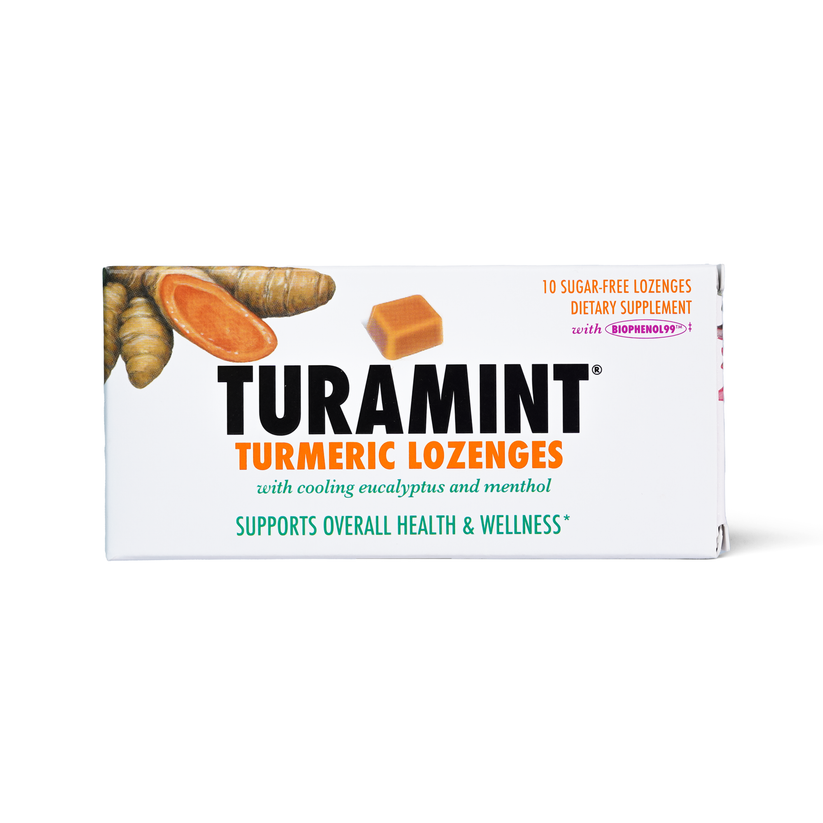
For people who prefer a convenient turmeric format, Turamint turmeric lozenges contain BioPhenol99 turmeric extract and are positioned by the brand around general wellness and inflammation support. This makes them a convenient way to include turmeric in an everyday routine, although the product is not specifically marketed as a skin treatment.
2. It May Support a Balanced Inflammatory Response
Inflammation is a natural process in the body and plays an important role in normal biological responses.
Curcumin has been researched for its interaction with inflammatory pathways. This is one reason turmeric is frequently discussed in connection with general wellness.
For skin, maintaining a balanced inflammatory response can be relevant because visible redness and irritation can have many different causes. However, turmeric should not be considered a treatment for inflammatory skin disorders.
Instead, it can be viewed as one component of a healthy lifestyle that also includes appropriate skincare and professional care when needed.
3. It May Complement Healthy-Looking Skin
The appearance of skin is influenced by much more than a single ingredient.
Hydration, nutrition, sleep, sun exposure, stress, physical activity, genetics, and skincare habits can all influence how skin looks and feels.
Turmeric's antioxidant properties make it an interesting addition to a balanced wellness routine. Rather than expecting turmeric alone to create a particular complexion, it is more realistic to consider it alongside other healthy habits.
4. Turmeric Has a Long History in Traditional Beauty Practices
Turmeric has been used traditionally in South Asian beauty practices for generations.
It has appeared in various preparations designed for personal care and general wellness. This long history has contributed to turmeric's continued popularity in modern beauty and wellness products.
Traditional use, however, should not automatically be considered proof that turmeric can treat a specific skin condition. Modern skincare choices should also take scientific evidence and individual skin needs into account.
5. Its Antioxidant Properties May Complement Skin Wellness
Oxidative stress is frequently discussed in relation to environmental exposure and skin aging. Sunlight and pollution, for example, can expose the skin to environmental stressors.
This is one reason antioxidant ingredients are common in modern skincare and wellness discussions.
Turmeric contains naturally occurring compounds with antioxidant properties, making it an interesting ingredient to include as part of an overall approach to wellness.
It is important to remember that dietary turmeric and topical skincare are not interchangeable. Consuming turmeric does not mean it replaces topical sunscreen, moisturizers, or other evidence-based skincare products.
6. It Can Fit Into an Inside-Out Approach to Skin Health
Skin health is connected to overall health and lifestyle.
A balanced diet, adequate hydration, regular exercise, sufficient sleep, stress management, and sun protection can all contribute to maintaining healthy-looking skin.
Turmeric can fit into this approach as a food ingredient or supplement rather than being treated as a standalone beauty solution.
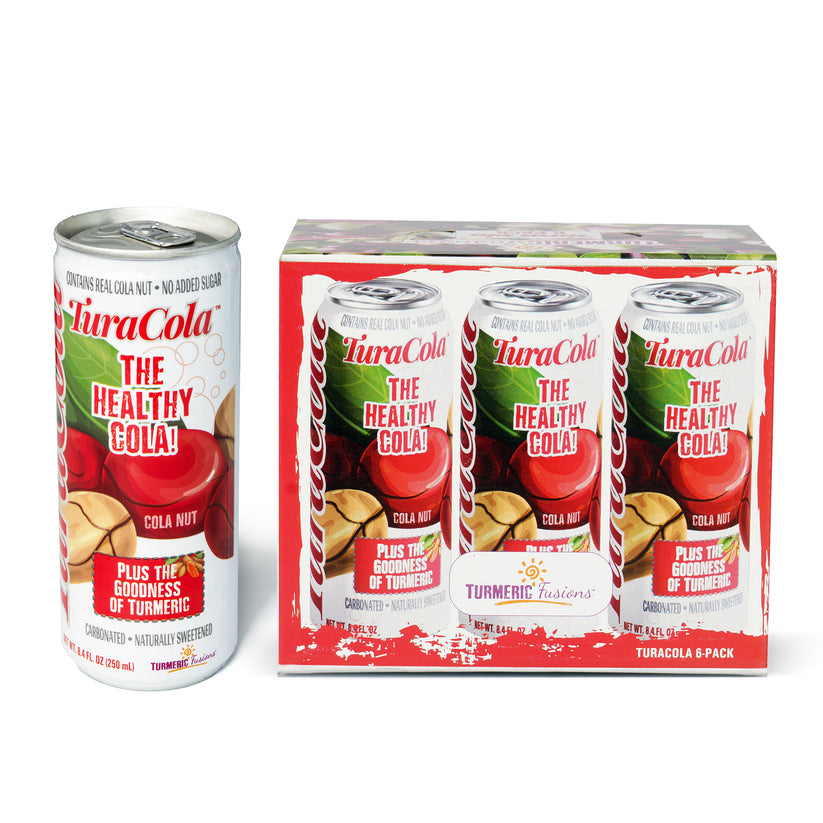
For example, TuraCola turmeric carbonated beverage provides BioPhenol99 turmeric extract in a beverage format. It can therefore be discussed as an alternative way of incorporating turmeric into an everyday wellness routine rather than as a product specifically designed for the skin.
7. It May Be Relevant to Skin Irritation Discussions
Turmeric's relationship with inflammatory processes is one reason it frequently appears in discussions about calming and soothing wellness routines.
However, skin irritation can have many causes, including dryness, allergies, environmental exposure, infections, acne, eczema, and other dermatological conditions.
Because the cause matters, turmeric should not be used as a substitute for proper diagnosis or treatment.
If redness, itching, swelling, burning, or irritation persists or becomes severe, professional medical advice is more appropriate than relying on a turmeric supplement or home remedy.
8. Turmeric Can Be Included in a Nutrient-Rich Lifestyle
Skin-friendly nutrition is not about one "superfood." A varied diet containing vegetables, fruits, whole grains, legumes, nuts, seeds, and adequate protein provides a much broader range of nutrients.
Turmeric can be used as a culinary spice within this type of eating pattern.
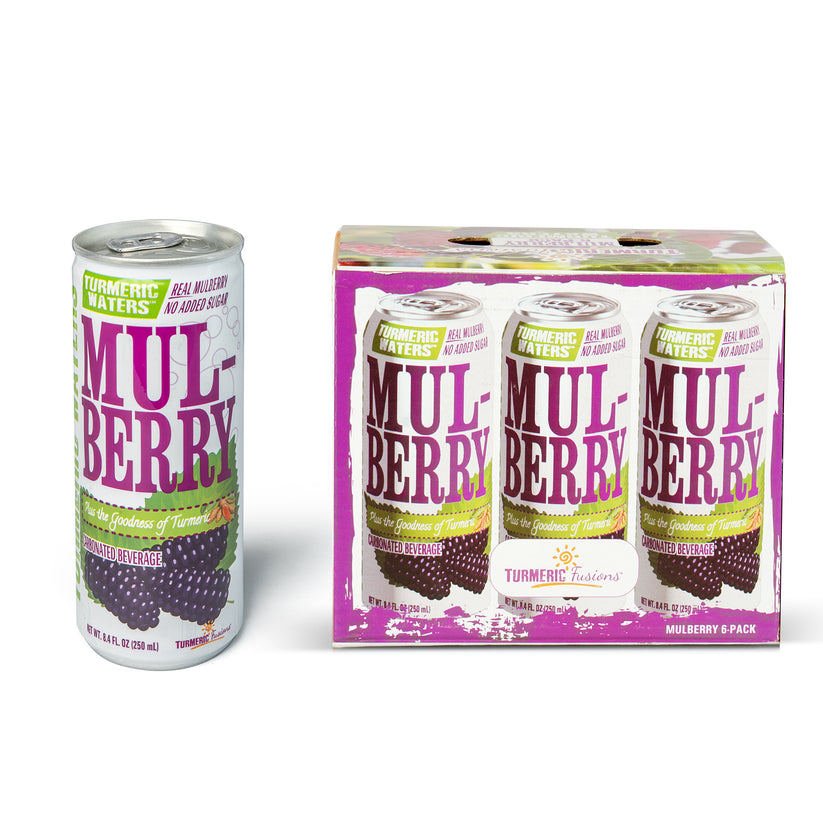
For people who prefer beverages, Mulberry Carbonated Beverage is another turmeric-containing beverage format available from Turmeric Innovations. It can be considered when discussing different ways people choose to incorporate turmeric into their routines.
9. Modern Turmeric Formats Make Consistency Easier
Turmeric does not have to be consumed only as a cooking spice.
Modern products provide different formats, including lozenges and beverages. This can be useful for people who enjoy turmeric but do not want to prepare turmeric-based foods or drinks every day.
Consistency is often easier when a wellness habit fits naturally into a person's lifestyle.
That said, convenience should not be confused with a guaranteed skin benefit. The purpose of choosing an easy-to-use turmeric format is primarily to make a routine practical and sustainable.
10. Turmeric Can Complement a Complete Skin-Wellness Routine
Perhaps the most important advantage of turmeric is that it can be incorporated into a broader wellness approach without needing to become the focus of the entire routine.
A practical skin-health routine can include:
- Daily sunscreen
- Adequate hydration
- A balanced diet
- Regular physical activity
- Sufficient sleep
- Gentle cleansing
- Appropriate moisturization
- Stress management
- Avoiding unnecessary skin irritation
- Professional dermatological care when required
Turmeric can sit alongside these habits rather than replacing them.
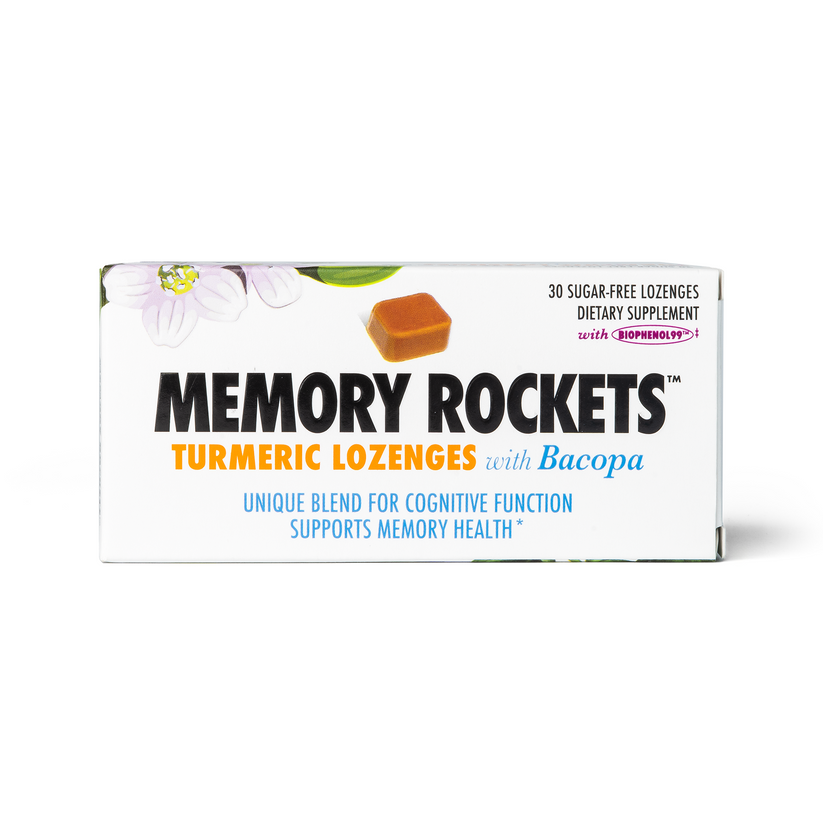
For consumers interested in turmeric's antioxidant properties, Memory Rockets turmeric lozenges contain full-spectrum turmeric and are described by the brand as having antioxidant and anti-inflammatory properties. Its primary purpose is brain health, however, so it should not be considered a skin-health supplement.
Can Turmeric Make Your Skin Glow?
"Glowing skin" is a popular beauty phrase, but there is no guarantee that consuming turmeric will produce a visible glow.
Healthy-looking skin depends on many variables, including hydration, nutrition, sleep, sun exposure, genetics, age, and skincare habits.
Turmeric's antioxidant properties make it an interesting part of a balanced wellness routine, but it should not be treated as a quick solution for dull or uneven-looking skin.
Can Turmeric Help Calm Skin Irritation?
Turmeric and curcumin have been researched for their relationship with inflammatory processes, which is why turmeric is sometimes discussed in connection with soothing and calming routines.
However, irritation can have many different causes. A turmeric supplement should not replace professional evaluation, particularly when irritation is persistent, painful, widespread, or accompanied by other symptoms.
Can Turmeric Be Applied Directly to the Skin?
Turmeric has traditionally been used in some topical preparations, but applying household turmeric directly to the skin is not necessarily appropriate for everyone.
It can stain the skin and may cause irritation or an allergic reaction in sensitive individuals. Anyone considering a topical turmeric product should follow the product's directions and consider a patch test first.
Turmeric for Skin: FAQs
1. What are the main advantages of turmeric for skin?
Turmeric contains naturally occurring compounds with antioxidant properties and has been studied for its relationship with inflammatory processes. These characteristics have contributed to its popularity in traditional beauty and modern wellness discussions.
2. Can turmeric improve skin appearance?
Turmeric may complement a healthy lifestyle, but consuming turmeric alone does not guarantee an improvement in skin appearance. Skin health depends on multiple nutritional, environmental, and lifestyle factors.
3. Can turmeric calm irritated skin?
Turmeric has been researched for its relationship with inflammation, but it should not be considered a universal treatment for irritated skin. Persistent irritation should be evaluated by a healthcare professional.
4. Is turmeric good for skin aging?
Turmeric contains antioxidant compounds that have attracted interest in research related to oxidative stress. However, there is not enough evidence to claim that consuming turmeric can prevent or reverse skin aging.
5. Can I put turmeric directly on my face?
Traditional practices sometimes use turmeric topically, but direct application can cause staining or irritation. A properly formulated topical product is preferable to applying concentrated kitchen turmeric directly to the face.
6. Does eating turmeric benefit the skin?
Turmeric can be part of a balanced diet and contains naturally occurring compounds with antioxidant properties. However, overall nutrition and lifestyle are much more important than relying on a single ingredient.
7. Does turmeric replace sunscreen?
No. Turmeric should never be considered a replacement for sunscreen. Sun protection remains one of the most important parts of a skin-health routine.
Final Thoughts
The advantages of turmeric for skin are largely connected to its naturally occurring compounds, particularly curcuminoids that have been studied for antioxidant activity and their relationship with inflammatory processes.
However, turmeric should be viewed as one part of a broader wellness approach, not as a standalone skin treatment. A balanced diet, hydration, sun protection, sufficient sleep, appropriate skincare, and professional guidance when necessary remain central to maintaining healthy-looking skin.
For people who enjoy turmeric, choosing a convenient format such as a lozenge or beverage can make it easier to include this traditional ingredient in an everyday wellness routine.